
Osteoarthritis of Shoulder Treatment in Chalfon,PA
Shoulder Arthritis Specialists in Bucks County
Shoulder Osteoarthritis Treatment in PA
At Pennsylvania Pain & Spine Institute, our board-certified physicians specialize in diagnosing and treating osteoarthritis of the shoulder, also referred to as glenohumeral osteoarthritis. This condition involves the gradual deterioration of cartilage in the shoulder joint, resulting in pain, stiffness, and reduced mobility.
Patients typically seek medical consultation when they experience:
✅ A deep, aching shoulder pain that gets worse with reaching, lifting, or overhead activity.
✅ Furthermore, night pain that makes it hard to sleep, especially when lying on the affected side.
✅ Stiffness around shoulder that makes it difficult to put on a jacket, fasten a seatbelt, or reach behind the back.
✅ A grinding or catching feeling when the shoulder moves.
DIABETIC NEUROPATHY SPECIALISTS
What Causes Spinal Arthritis?
Most spinal arthritis develops gradually as a result of age-related changes in the spine. Additionally, several factors can accelerate the process or increase the severity of symptoms:
Age-related degeneration: Cartilage in the facet joints gradually wears away with normal aging, most commonly beginning in the fourth and fifth decades of life
Mechanical overload: Repetitive bending, twisting, and heavy lifting accelerate facet joint wear over time
Previous spinal injury: Furthermore, prior fractures, dislocations, or surgery can alter spinal mechanics and accelerate arthritis at adjacent levels
Degenerative disc disease: Consequently, as discs lose height, increased mechanical stress transfers to the facet joints and accelerates cartilage breakdown
Obesity: In particular, excess body weight increases mechanical load on the lumbar facet joints, accelerating wear
Genetic factors: Family history of spinal arthritis or degenerative joint disease increases individual risk

Understanding Osteoarthritis of Shoulder
Shoulder osteoarthritis develops when the smooth articular cartilage covering the head of the upper arm bone (humerus) and the shoulder socket (glenoid) begins to break down. As the cartilage becomes thinner, the bones eventually come into contact and may rub against each other, forming bone spurs (osteophytes). Over time, this further narrows the joint space and limits motion. Primary osteoarthritis is characterized by age-related degeneration of the joints and lacks a singular identifiable cause. Conversely, secondary osteoarthritis results from an underlying condition that adversely affects the joint. Common contributors to secondary osteoarthritis include:
- Shoulder fractures or dislocations, referred to as post-traumatic arthritis
- Previous surgical interventions on the shoulder
- Chronic rotator cuff tears
- Avascular necrosis
This distinction highlights the differences in etiology between the two forms of osteoarthritis.
The shoulder is the third most commonly affected large joint, after the knee and hip. Population studies have found X-ray evidence of shoulder osteoarthritis in 16.1% to 20.1% of adults aged 65 and older. It usually develops in people 50 and older and is more common in women.
X-ray findings don’t always predict how much a shoulder hurts. Many people with arthritis visible on imaging have few symptoms, while others have significant pain.
A hands-on examination is just as important as imaging in diagnosing shoulder pain. At the Pennsylvania Pain and Spine Institute, our primary focus is to determine the source of your shoulder pain, whether it’s arthritis, a rotator cuff issue, or nerve irritation. Once we’ve identified the cause, we begin treatment right in our office, allowing you to find relief without waiting months.

Osteoarthritis of Shoulder Treatment Options

Viscosupplementation (hyaluronic acid gel injections)
Supplements the joint's natural lubricating fluid to reduce friction and pain
*This is done outpatient, with no general anesthesia
Platelet-rich plasma (PRP) injections
Uses concentrated platelets from your own blood, injected under ultrasound guidance
*This is done outpatient, with no general anesthesia

Physical therapy
Tailored range-of-motion and strengthening plans to strengthen the shoulder and shoulder blade.
*This is done outpatient, with no general anesthesia

Prolotherapy
Ultrasound-guided dextrose-based injections that stimulate repair of weakened joint tissues
*This is done outpatient, with no general anesthesia

Image-guided corticosteroid joint injections
Calms inflammation inside the joint during painful flare-ups
*This is done outpatient, with no general anesthesia

EMG / nerve conduction test
Checks whether a pinched nerve is adding to your symptoms when you also have arm numbness or tingling
*This is done outpatient, with no general anesthesia
Minimally Invasive, Research-Supported Treatments
Viscosupplementation (Hyaluronic Acid Gel Injections)
Hyaluronic acid is a natural part of healthy joint fluid that helps lubricate and cushion the joint. In arthritic joints, it becomes thinner and less effective. Viscosupplementation places a hyaluronic acid gel directly into the shoulder joint to supplement that fluid. It is often best suited to people with mild to moderate arthritis who still have some joint space.
The research shows benefit in some studies but not in others. In a multicenter randomized trial of 660 patients published in the Journal of Bone and Joint Surgery, patients who received sodium hyaluronate reported greater shoulder pain relief than those given saline at several points through 26 weeks. The trial’s primary 13-week measure was not met. A 2019 clinical trial of a single hyaluronic acid injection reported an average 29.5% reduction in shoulder pain with movement over six months. However, the 2020 American Academy of Orthopaedic Surgeons (AAOS) guideline did not find a benefit, so your physician will review whether you are a good candidate before recommending this treatment.
What to expect: The injection is performed at our Chalfont and Quakertown offices under imaging guidance. It typically takes less than 30 minutes and requires no downtime. Relief, when it occurs, can begin within days to weeks.
Image-Guided Corticosteroid Joint Injections
A corticosteroid injection delivers anti-inflammatory medication directly into the shoulder joint. Our physicians use ultrasound or X-ray guidance to precisely place the medication. In a prospective study published in the Journal of Shoulder and Elbow Surgery, patients with shoulder osteoarthritis who received a single image-guided corticosteroid injection had meaningful improvements in pain and function for up to four months.
Platelet-Rich Plasma (PRP) Injections
Platelet-Rich Plasma (PRP) therapy is an advanced treatment that uses the patient’s own blood to facilitate healing in damaged tissues. The process begins with collecting a small blood sample, which is then centrifuged to concentrate platelets and growth factors. The resulting PRP is injected directly into the shoulder joint under ultrasound guidance, enabling precise delivery to the target area. This technique enhances the effectiveness of the treatment by ensuring accurate placement. PRP therapy is increasingly used in orthopedics and sports medicine to address various conditions, such as tendinopathy, rotator cuff tears, and joint degeneration. By utilizing the body’s natural healing mechanisms, PRP aims to reduce pain and improve function in patients with shoulder-related issues.
Prolotherapy
Prolotherapy involves the use of precise, ultrasound-guided injections, usually a dextrose-based solution, to stimulate the repair of weakened ligaments, tendons, and joints. Each session lasts approximately 30 minutes. Many patients find that three to six sessions, spaced several weeks apart, are beneficial. It is normal to experience temporary soreness for 24 to 48 hours after the injections.
Physical Medicine, Rehabilitation, and Medication Management
Our Physical Medicine and Rehabilitation (PM&R) certified physicians create personalized home exercise and rehabilitation plans that focus on enhancing shoulder range of motion, strengthening the rotator cuff and shoulder blade, and simplifying daily tasks. The American Academy of Orthopaedic Surgeons (AAOS) guidelines indicate that physical therapy may be advantageous for certain patients suffering from shoulder osteoarthritis. When medication is required, our physicians may suggest non-opioid pain relievers or anti-inflammatory medications customized to your medical history. For individuals with advanced arthritis for whom nonsurgical options no longer provide adequate pain relief, our physicians may initiate a conversation to explore the possibility of shoulder replacement.
Frequently Asked Questions About Shoulder Osteoarthritis
Do gel injections work for shoulder arthritis?
Several clinical trials suggest that hyaluronic acid injections may alleviate shoulder pain for several months. Conversely, other studies, including the 2020 guidelines from the American Academy of Orthopaedic Surgeons (AAOS), have not demonstrated a clear benefit. Given the variability in findings, we conduct a comprehensive evaluation of each patient before recommending viscosupplementation.
How long does a shoulder injection appointment take?
A viscosupplementation injection typically requires under 30 minutes at our Chalfont office, while a prolotherapy session generally takes approximately 30 minutes. Patients can return home on the same day, and the majority of individuals can resume their normal daily activities shortly thereafter.
Can nonsurgical treatment help me avoid shoulder replacement?
For certain patients, nonsurgical management can effectively control symptoms, thus enabling a postponement or avoidance of surgical intervention. However, if your arthritis has reached an advanced stage or current treatments are no longer effective, we will refer you to an orthopedic surgeon to explore treatment options.
Does insurance cover shoulder arthritis injections?
Your insurance coverage is determined by your specific plan and the treatment you require. Please note that some injections will necessitate prior authorization. We accept most major insurance plans, so contact our office to verify your coverage before your visit.
Common Symptoms of Shoulder Osteoarthritis
- Deep, aching pain, often felt in the back of the shoulder
- Pain that worsens with activity and improves with rest early on
- Night pain that disrupts sleep
- Stiffness and loss of motion, especially reaching overhead or behind the back
- Grinding, clicking, or catching (crepitus) when the shoulder moves
- Weakness when lifting, pushing, or carrying
When to Seek Urgent Care
Get immediate medical care for any of these:
- sudden severe shoulder pain after a fall
- a visible deformity
- a hot, swollen shoulder with fever
- new numbness or weakness in the arm
- shoulder pain together with chest pain or shortness of breath
These signs need urgent evaluation.
How We Diagnose Shoulder Osteoarthritis
- Detailed history: Patients may be asked when the pain started, which activities make it better or worse, and about any past shoulder injuries, dislocations, or surgeries.
- Physical exam: The provider checks your shoulder’s range of motion, strength, and stability, and looks for joint-line tenderness and grinding.
- Imaging review: X-rays are reviewed to look for joint-space narrowing and bone spurs. MRI or CT is reviewed when needed to assess the rotator cuff and bone.
- EMG and nerve conduction study: Performed only when needed, based on the individual patient’s condition, at our offices to rule out a pinched nerve when arm numbness or tingling is present.
The diagnosis process focuses on the patient, ensuring their needs and preferences are prioritized. Providers take the time to explain all available diagnostic and treatment options, discussing the potential benefits, risks, and implications of each. This collaborative approach encourages open communication, allowing patients to ask questions and voice their concerns. Ultimately, the provider and patient work together to make a well-informed decision that reflects the patient’s individual circumstances and desires.
Research insight:
“Sodium hyaluronate (500 to 730 kDa) is effective and well tolerated for the treatment of osteoarthritis and persistent shoulder pain that is refractory to other standard nonoperative interventions.”
– Blaine T, et al. Journal of Bone and Joint Surgery, 2008
Common Causes
Risk factors for shoulder osteoarthritis include:
– Age: Symptoms typically begin after the age of 50.
– Sex: Females are more susceptible to the condition.
– Obesity: Excess weight can increase the risk.
– Previous injuries: A history of shoulder fractures or dislocations can contribute.
– Past surgeries: Prior shoulder surgeries may heighten the risk of developing osteoarthritis.
– Long-standing rotator cuff tears: These can also be a risk factor.
In many cases, there is no single clear trigger, and these cases are classified as primary osteoarthritis.
Why Choose PA Pain & Spine Institute?
Easy, Convenient Care Without the Hospital
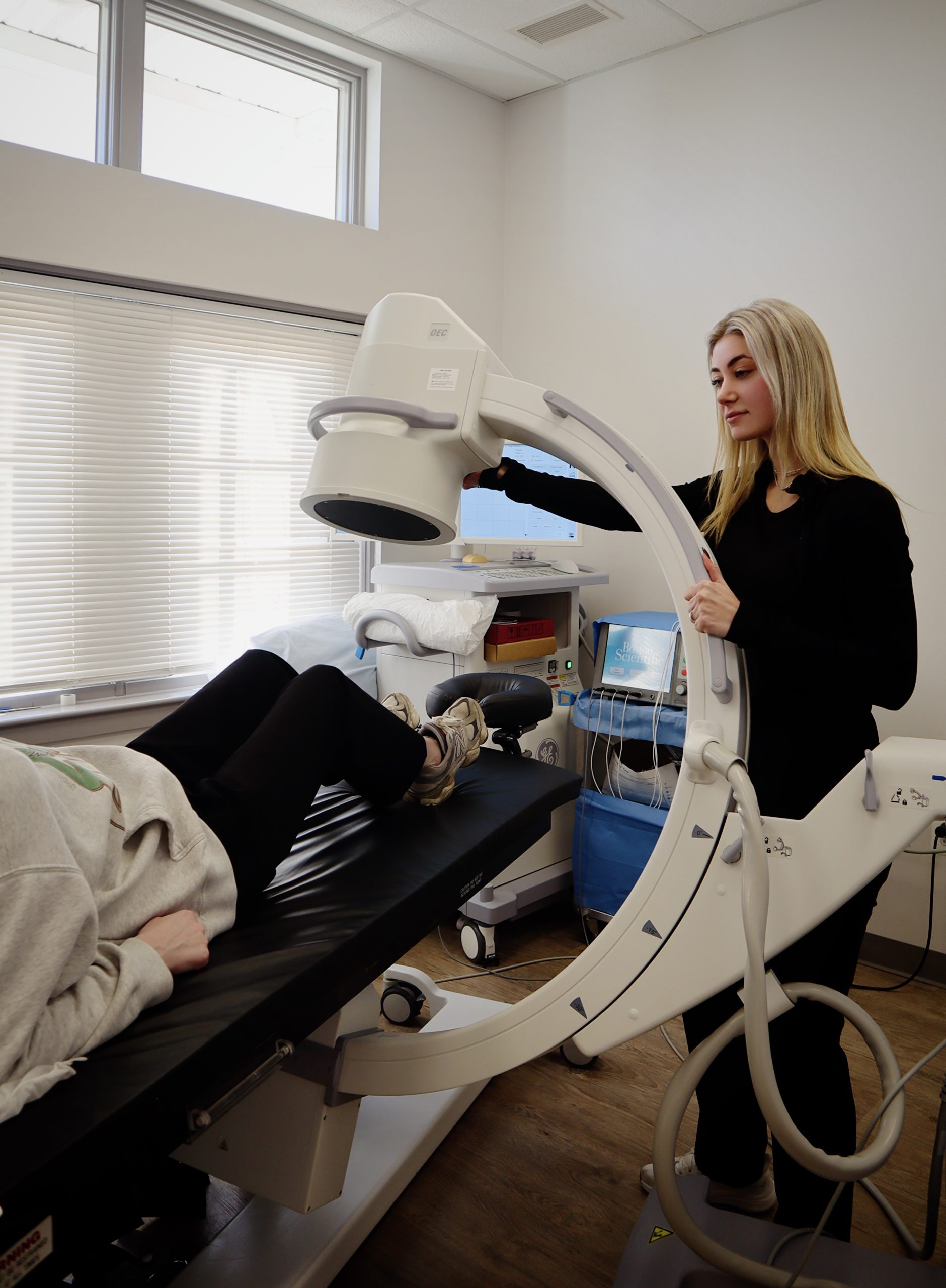
You don’t need to visit a hospital for shoulder osteoarthritis treatment. At the Pennsylvania Pain & Spine Institute, our board-certified specialists, Dr. Robert Kelly, Dr. David Bozak, and Dr. Jeffrey Boyd, provide evaluations and treatments at our Chalfont and Quakertown locations, including: Viscosupplementation, corticosteroid injections, platelet-rich plasma (PRP) therapy, prolotherapy, and rehabilitation. This allows for comprehensive care in one place.
Comprehensive Testing Under One Roof
We provide convenient coordination of diagnosis, including EMG nerve testing, and treatment, such as image-guided joint injections, all within the same practice.
Two Bucks County Locations
Our Chalfont office is open Monday through Thursday from 8:00 AM to 6:00 PM. Our Quakertown office is open Tuesday and Wednesday from 8:00 AM to 6:00 PM. Both are easy to reach for patients around Bucks County.
Highly Rated Care
Our dedication to patient-centered care is shown in our 4.8-star rating, based on over 160 reviews. This rating reflects the quality and compassion we provide during each patient’s treatment journey.
Treatment options at our Chalfont and Quakertown locations include viscosupplementation, corticosteroid joint injections, platelet-rich plasma (PRP) therapy, and prolotherapy. Our goal is to ease your pain, keep your shoulder moving, and help you stay active without a hospital stay.
Take the Next Step
Shoulder osteoarthritis is a common degenerative joint condition that leads to reduced range of motion and significantly affects daily activities and overall quality of life. Early evaluation and diagnosis are invaluable, as they enable patients to understand the extent of their condition and the appropriate steps to take for effective management.
At the Pennsylvania Pain and Spine Institute, we help you regain the ability to perform daily tasks comfortably and enhance your overall well-being. Our comprehensive treatment options include physical therapy, medication, and individualized rehabilitation programs aimed at reducing pain and improving joint function and enhance shoulder strength, flexibility, and range of motion.
Call 215-395-8888 or request an appointment online to schedule an evaluation at the office closest to you.

References
- Ibounig T, Simons T, Launonen A, Paavola M. Glenohumeral osteoarthritis: an overview of etiology and diagnostics. Scand J Surg. 2021;110(3):441–451. doi:10.1177/1457496920935018. https://doi.org/10.1177/1457496920935018
- Ansok CB, Muh SJ. Optimal management of glenohumeral osteoarthritis. Orthop Res Rev. 2018;10:9–18. doi:10.2147/ORR.S134732. https://doi.org/10.2147/ORR.S134732
- American Academy of Orthopaedic Surgeons. Management of Glenohumeral Joint Osteoarthritis Evidence-Based Clinical Practice Guideline. Published March 23, 2020. https://www.aaos.org/gjocpg
- Blaine T, Moskowitz R, Udell J, et al. Treatment of persistent shoulder pain with sodium hyaluronate: a randomized, controlled trial. A multicenter study. J Bone Joint Surg Am. 2008;90(5):970–979. doi:10.2106/JBJS.F.01116. https://doi.org/10.2106/JBJS.F.01116
- McKee MD, Litchfield R, Hall JA, Wester T, Jones J, Harrison AJ. NASHA hyaluronic acid for the treatment of shoulder osteoarthritis: a prospective, single-arm clinical trial. Med Devices (Auckl). 2019;12:227–234. doi:10.2147/MDER.S189522. https://doi.org/10.2147/MDER.S189522
- Kirschner JS, Cheng J, Creighton A, et al. Efficacy of ultrasound-guided glenohumeral joint injections of leukocyte-poor platelet-rich plasma versus hyaluronic acid in the treatment of glenohumeral osteoarthritis: a randomized, double-blind controlled trial. Clin J Sport Med. 2022;32(6):558–566. doi:10.1097/JSM.0000000000001029. https://doi.org/10.1097/JSM.0000000000001029
- Metzger CM, Farooq H, Merrell GA, et al. Efficacy of a single, image-guided corticosteroid injection for glenohumeral arthritis. J Shoulder Elbow Surg. 2021;30(5):1128–1134. doi:10.1016/j.jse.2020.08.008. https://doi.org/10.1016/j.jse.2020.08.008
- American Academy of Orthopaedic Surgeons. Shoulder Joint Replacement. OrthoInfo. Accessed October 2026. https://orthoinfo.aaos.org/en/treatment/shoulder-joint-replacement/
The information on this page is for general educational purposes only and does not constitute medical advice. Treatment recommendations are based on individual clinical evaluation. Individual results may vary, and no specific outcomes are guaranteed. This content does not create a provider–patient relationship.
Proudly serving Bucks County patients with individualized, evidence-based care focused on improving function, supporting mobility, and helping patients pursue their personal health goals.

